
Welcome to Calyx Physical Therapy
Restoring balance to your body — so you can live, move, and feel your best
We are a San Francisco physical therapy practice specializing in Fascial Counterstrain.
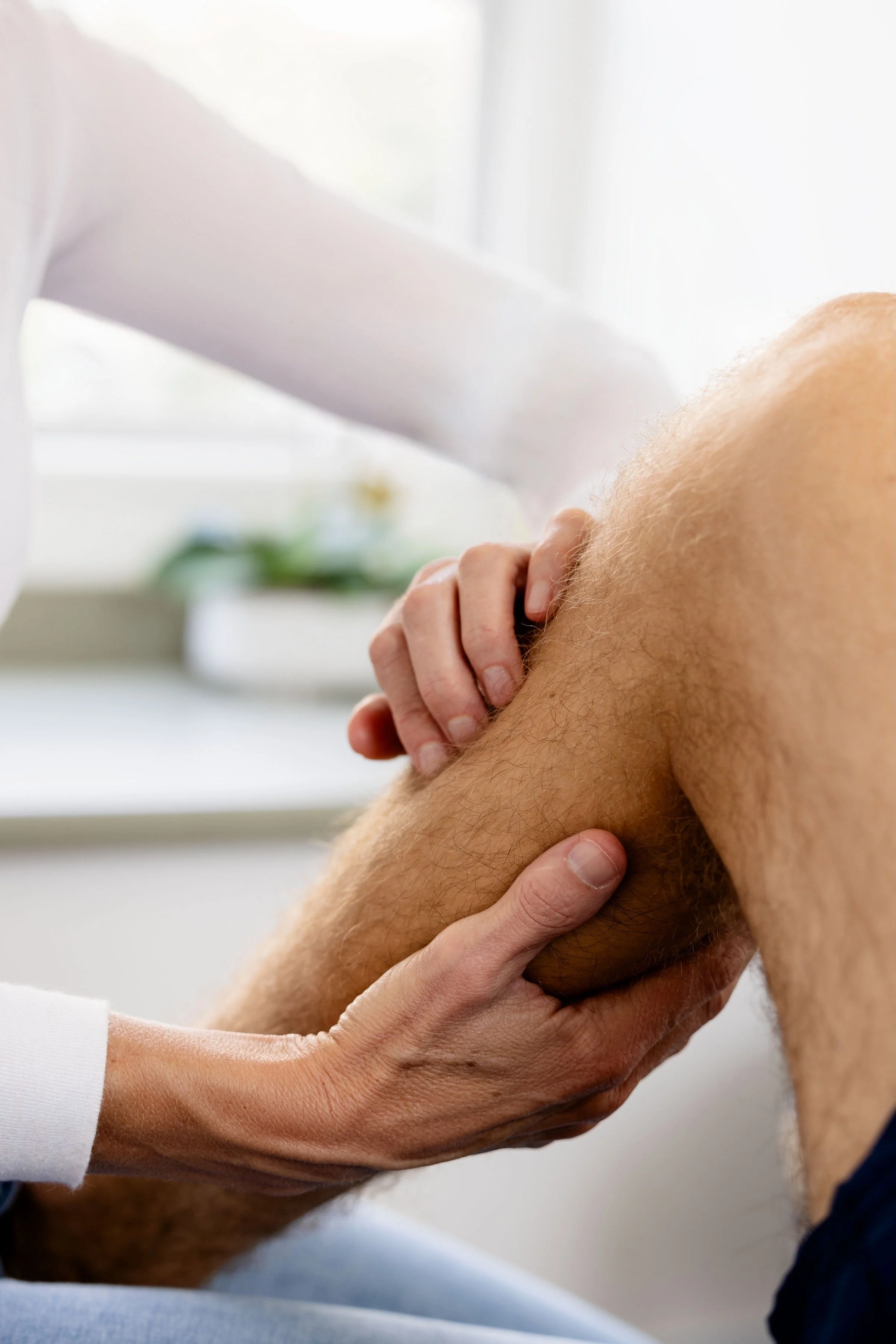
Sometimes the body doesn't quite finish healing.
Bodies don't follow a standard script, and injury, illness, and stress don't either. After injury or illness, healing usually moves through a coordinated process — but sometimes it doesn't, leaving inflammation, irritation, and lingering symptoms behind.
Fascial Counterstrain meets every body where it is, so healing can finally finish what it started. This gentle, hands-on technique works with the fascia — the connective tissue that runs throughout your body. By carefully slackening and decompressing the structures involved, it quiets the reflexive contractions and pain signals that hold your tissues in a guarded, over-protective state. The treatment itself is painless, which makes it a good fit even for the most sensitive or painful conditions. And even when healing is already underway, it can help the body clear inflammation more efficiently and move toward a more complete recovery.
Read more in Fascial Counterstrain Explained.
Conditions we treat
Fascia touches everything, so the range is wider than most people expect — from everyday pain to conditions you might never associate with physical therapy:
Chronic neck, back, or sciatic pain
Pelvic floor dysfunction and pelvic pain
Shoulder or knee pain, or a joint that still isn't right after surgery
Digestive issues like reflux, bloating, or IBS
Something that hasn't resolved, no matter how many approaches you've tried
Many patients also come before surgery — to prepare the body for the best possible recovery.
Cristina Shupe, PT
I’m Cristina (most people call me Cristi), Physical Therapist and founder of Calyx Physical Therapy. I created Calyx as a welcoming, unhurried space where every patient receives the time and attention that genuine healing requires.
Fascial Counterstrain reshaped how I practice and expanded what's possible for the people I treat. I integrate it with evidence-based rehabilitation and therapeutic movement to address pain, restore function, and interrupt the patterns that keep symptoms coming back.
Each session is intentional and focused: we take time to understand your history and symptoms, place them in meaningful context, and deliver consistent, compassionate care that supports lasting recovery.